
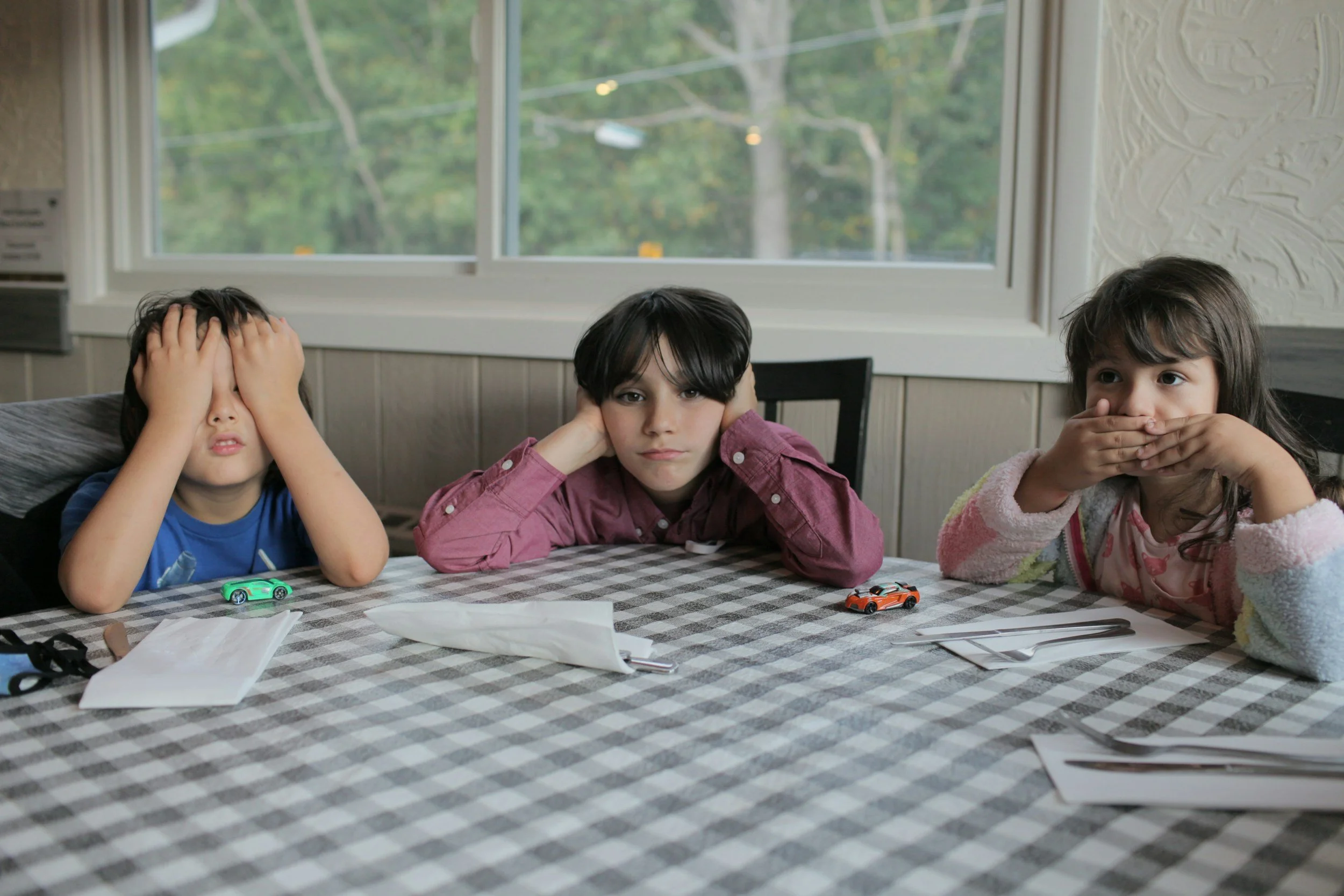
When one child in the family has OCD, their meltdowns, nonstop questions, and bedtime routines end up running the entire house. You spend your whole evening putting out fires, and by the time you look up, your other kids are left waiting. Giving your kids what they need right now does not mean dividing your time into equal slices on a clock. You can protect your bond with your other kids by talking to them honestly about what is happening, keeping them out of their sibling's rituals, and giving them small, reliable pockets of real connection.
Why Does OCD Take Over Every Minute of Family Life?
OCD makes everything feel like an emergency: When your child panics, their fear feels so big and immediate that it forces you to drop whatever you are doing to answer the same question for the tenth time, check the locks, or redo a routine.
The rest of the family gets put on hold: Because you are constantly trying to prevent the next explosion, plans get canceled, dinners get interrupted, and your other children learn that their normal needs have to wait behind their sibling's panic.
Putting out a fire is not the same as favoritism: Sinking hours of energy into helping a child through an OCD spiral is exhausting crisis management. It does not mean you love them more or want to spend more time with them.
How to Stop Your Other Kids from Feeling Left Out or Resentful
Talk openly about what is going on: Tell your other kids straight out that their sibling has a glitch in their brain that sends false alarms. Let them admit that it is annoying or hard without making them feel like a bad brother or sister.
Do not make them change their lives for the OCD: Never ask your other kids to tiptoe around triggers, change how they wash their hands, or repeat special phrases to keep the peace. Their daily routines and bedrooms should stay protected spaces.
Focus on reliable minutes instead of equal hours: Your other kids do not need half of your day. They need 15 minutes of uninterrupted time where your phone is put away, OCD is not mentioned, and they have your undivided focus.
Letting Go of the Guilt That You Are Failing Your Other Children
Recognize the difference between attention and connection: Managing rituals and meltdowns is stressful, not quality bonding time. Your child with OCD is getting more of your anxious energy, not more of your affection.
Resist the urge to overcompensate: It is completely normal to feel guilty and want to make it up to your other kids with extra treats, buying them things, or letting rules slide. But what actually makes them feel secure is knowing the house rules still apply to them.
Fair does not mean identical: Being a good parent means meeting the specific need in front of you today. Some seasons demand extra care for one child, and that will shift over time.
Where to Go from Here
Watching one child struggle while constantly worrying that your other kids are getting the short end of the stick is emotionally draining. You are trying to keep everyone afloat, and the guilt you feel just shows how much you love your entire family. You do not have to figure out this balance through trial and error while running on empty.
If you are an anxious parent in San Diego or across California feeling worn down by how OCD is impacting your home we will work together to help you get out of survival mode and know exactly what to do when an OCD spiral hits, so you can feel like you have control in your own home again. Schedule a intro call here.
